
Blog · Pressure Washing
DIY Pressure Washing:What Can Go Wrong.
Easy to rent, surprisingly easy to misuse.
Renting a pressure washer for a weekend feels like a simple way to save money, and sometimes it is. But pressure washers are more powerful than most people expect, and the margin for error is smaller than it looks — a setting that seems fine can strip, etch, or damage a surface in seconds, and by the time you notice, it’s already done.
Here’s what tends to go wrong, and why the mistakes are often more expensive to fix than the job would’ve cost to hire out.
Common DIY Mistakes
Why This Matters More Than It Seems
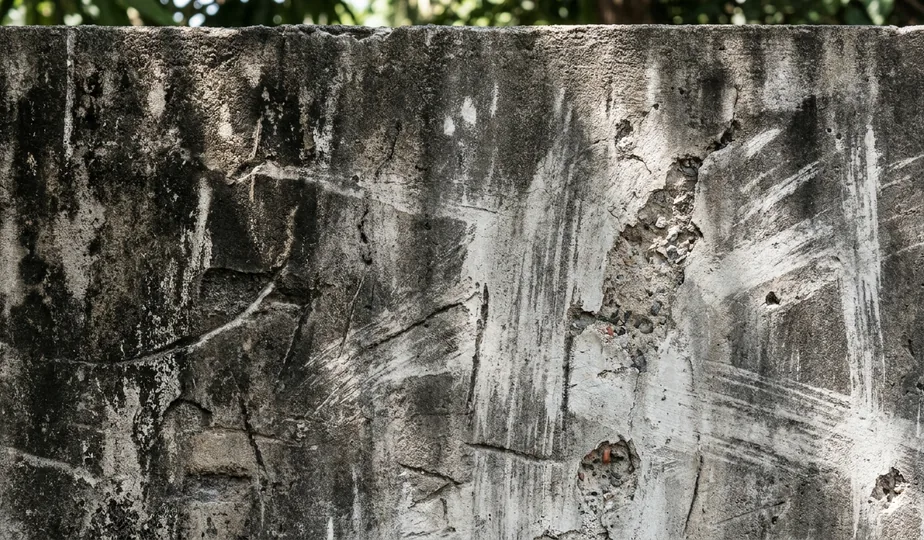
Etched concrete and stripped wood aren’t things you can pressure wash away — once the surface is damaged, it’s damaged, and fixing it usually means resurfacing or replacement rather than a simple redo. That turns a job meant to save money into one that costs significantly more than professional cleaning would have.
Professional equipment isn’t just more powerful — it’s adjustable in ways rental units often aren’t, which is part of what makes it possible to safely match the pressure to the surface rather than guessing.
Chemical Missteps
Pressure isn’t the only risk — cleaning solutions matter too. Using the wrong chemical for a surface can discolor concrete, damage plants and landscaping nearby, or strip protective coatings that were never meant to be removed. Mixing cleaning products that shouldn’t be combined is its own hazard, and store-bought pressure washing detergents aren’t always clearly labeled for what surfaces they’re actually safe on.
Runoff is worth thinking about too — whatever gets sprayed off a driveway or siding typically ends up in a storm drain or the surrounding yard, which is part of why professional crews are deliberate about what they use and where it goes.
\nWeather timing matters more than people expect as well. Washing right before rain can wash away work that hasn’t had time to take effect, while washing in direct summer heat can cause cleaning solutions to dry and streak before they’ve been rinsed properly. Getting the timing and the technique right at the same time is a lot of moving parts for a once-a-year project.
None of this means pressure washing is inherently risky when done correctly — it just means the margin for error is smaller than a rental counter clerk is likely to mention.
Skip The Risk
Send a few photos and we’ll get you a quote for doing it right the first time.