
Blog · Lawncare
Do You NeedIrrigation?
Wet winters don’t tell the whole story about Oregon lawns.
It sounds counterintuitive to talk about irrigation in a place known for rain, but Oregon’s wet season and dry season are more separate than people expect. Summers here run genuinely dry for stretches at a time, and a lawn that looked lush all spring can go patchy and stressed by August without some kind of consistent watering.
Whether a full irrigation system is worth installing depends on your yard, your schedule, and how much you want lawn care to be one more thing you have to remember.
When It Makes Sense
When It Might Not Be Necessary
A smaller lawn that’s easy to reach with a hose or a simple sprinkler timer often doesn’t need a full in-ground system to stay healthy through summer — consistency matters more than the specific method. If you’re already good about watering regularly, or your lawn is small enough that it’s not a real burden, a full system might be more investment than the situation calls for.
Types Worth Knowing About
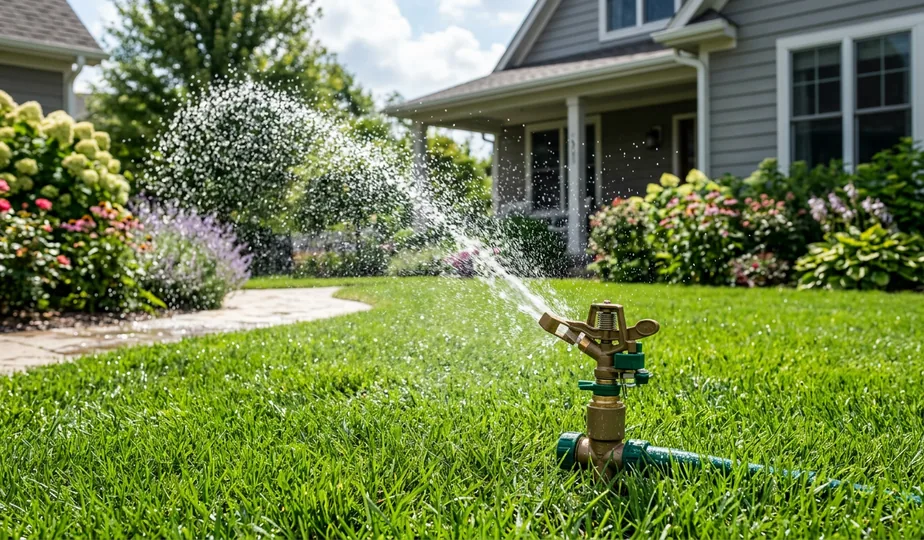
Traditional sprinkler systems cover open lawn areas evenly and are the most common choice for standard yards. Drip irrigation, by contrast, delivers water directly to the base of plants and garden beds rather than spraying it broadly, which wastes less water and works especially well for flower beds and landscaping rather than open turf.
Smart controllers are worth mentioning too — rather than running on a fixed schedule regardless of conditions, they adjust watering based on actual weather, skipping cycles after real rainfall instead of watering a lawn that’s already saturated. Given how variable Oregon weather can be even within a single week, that adjustment alone can meaningfully cut down on wasted water.
Zoning is another practical consideration — a well-designed system waters different areas on different schedules based on sun exposure and plant type, rather than treating the whole yard as one uniform zone. A shaded backyard and a full-sun front lawn genuinely need different amounts of water, and a single-zone system can't account for that difference on its own.
Whichever direction you go, the underlying goal is the same — consistent watering through the dry months without it depending entirely on you remembering to do it.
A good starting point is simply watching how your lawn actually behaves through a full summer before deciding — some yards need more help than others, and there’s no reason to install more system than the situation genuinely calls for.
Struggling With A Stressed Summer Lawn?
Tell us about your yard and we’ll help you figure out what it actually needs.