
Blog · Pressure Washing
Should YouSeal It After?
Not always necessary, but worth understanding before you decide.
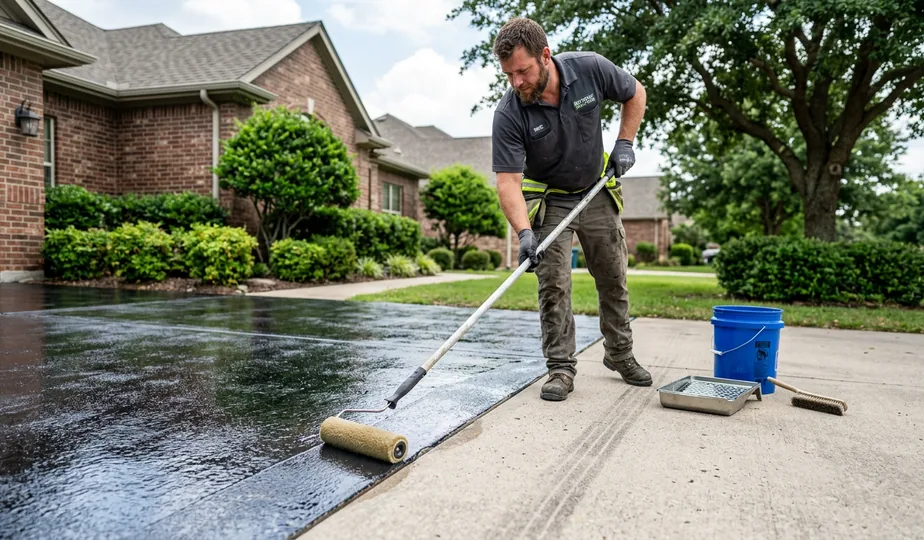
Once a driveway or deck is freshly cleaned, it’s a natural moment to wonder whether sealing it is the next logical step. The honest answer is that it depends on the surface, the material, and how long you want the clean result to last — sealing isn’t required after every pressure washing job, but there are real cases where it makes a meaningful difference.
Here’s how to think through whether it’s worth it for your situation, and what actually changes once a surface is sealed versus left as-is after cleaning.
When Sealing Makes Sense
Timing It Right
Surfaces need to be fully dry before sealing — applying sealant too soon traps moisture underneath, which can cause bigger problems than the ones you were trying to prevent. Depending on weather and surface type, that usually means waiting anywhere from a full day to several days after washing before sealing is safe to do.
This is also why sealing and washing don’t always happen in the same visit. If you know you want both done, it’s worth mentioning that upfront so the timeline can be planned around proper drying rather than rushed.
What Sealing Actually Does
A sealant creates a protective layer that sheds water and resists new moss and algae growth, which is the main reason a sealed surface tends to stay cleaner longer than an unsealed one in a climate like ours. It won’t prevent buildup forever, but it meaningfully slows it down — often stretching the time between pressure washing visits.
How Long It Actually Lasts
Sealant isn’t a one-time fix — it wears down gradually with sun exposure, foot and vehicle traffic, and Oregon’s wet winters, which are harder on exterior surfaces than a drier climate would be. Concrete sealant on a driveway typically holds up well for a couple of years before it’s worth reapplying, while deck sealant on a high-traffic wood surface may need attention sooner, especially on south-facing decks that get more direct sun.
A faded or dull-looking sealed surface is usually the sign it’s due for a refresh, and re-sealing is generally quicker than the original job since it’s just a maintenance coat rather than a full application.
If you're not sure whether your specific surface is a good candidate for sealing, it's worth asking as part of your quote rather than guessing.
Either way, the surface should be completely clean and completely dry before anything gets applied on top of it.
Considering Sealing?
Tell us about your surface and we’ll help you figure out if it’s worth it.