
Blog · Bathroom Remodeling
Water DamageBehind The Shower.
The warning signs, what usually causes it, and what to do before a small leak becomes a big repair.
Why Shower Leaks Stay Hidden
Water damage behind a shower rarely announces itself. Tile and grout look fine from the front while water slowly works into the wall or the floor below, sometimes for years. By the time you notice a soft spot or a stain, the framing or subfloor may already be damaged.
Catching it early keeps a repair small. Here are the signs to watch for, what usually causes them, and what to do if you find them.
Warning Signs
What Usually Causes It
- Worn grout and caulk that let water past the tile surface
- Missing or failed waterproofing. Many older showers have tile set over drywall or a backer with no real waterproof layer behind it.
- Plumbing leaks at the shower valve, supply lines, or the drain
- A failed shower pan under a tiled shower floor
- Poor ventilation that keeps the room damp long after every shower
What We Found In A Hillsboro Bathroom
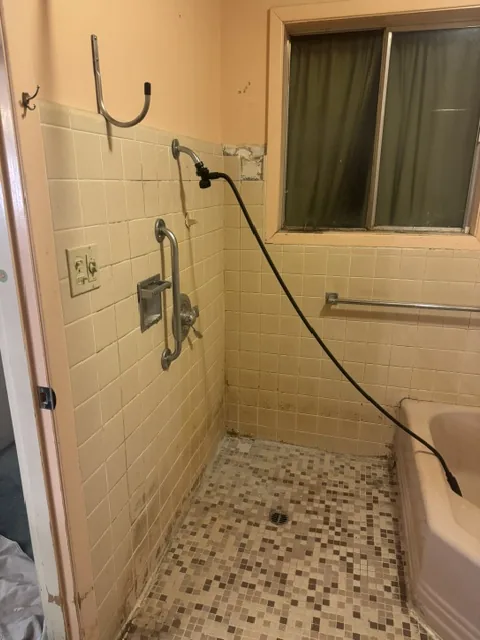
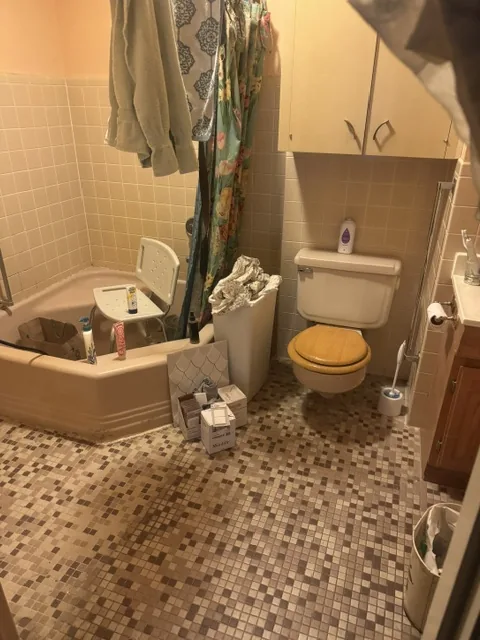
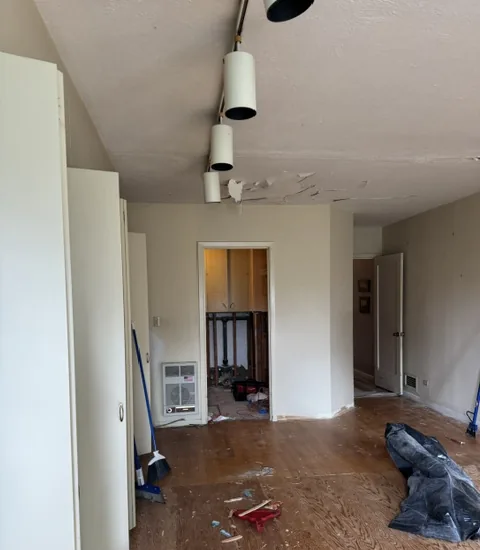
On a current remodel in Hillsboro, the bathroom had a separate tiled shower stall alongside a corner tub. From a distance it looked dated but intact. Up close, the stall showed wear and damage around its base. Once the bathroom was opened up to the studs, there was water damage that had to be repaired, and the room needed new plumbing and electrical before the new walk-in shower could be built.
That is a common story in older bathrooms, and it is why we repair what we find instead of tiling over it.
What To Do If You See The Signs
- Stop the source if you can. If a leak is active, limit use of that shower until it is checked.
- Check from below. Look at the ceiling under the bathroom or in the crawl space for stains or wet framing.
- Take photos of everything before repairs, especially if you may file an insurance claim.
- Get it opened up and assessed. The only way to know how far the damage goes is to look behind the surface.
- Repair, then rebuild properly. Damaged framing and subfloor are replaced, and the new shower gets a real waterproof layer so it does not happen again.
If the shower needs replacing anyway, it can be a good time for a tub-to-shower conversion or a full bathroom remodel. We also handle water damage repairs to drywall, framing, and trim elsewhere in the home.
Common Questions
Can I Just Re-Grout Or Re-Caulk To Fix It?
If the damage is limited to worn caulk or grout and the wall behind is still solid, fresh caulk and grout can stop the problem. But if tiles are loose, the floor is soft, or there are stains below the bathroom, the water has already gotten behind the surface, and new caulk only hides it.
How Do You Know How Bad The Damage Is?
Often you cannot know until the tile or wall is opened up. Moisture readings and a look from below, like a ceiling or crawl space, give clues, but the only way to see the framing and subfloor is to remove the finished surface.
Does Homeowners Insurance Cover Water Damage Behind A Shower?
It depends on your policy. Many policies treat a sudden leak differently from damage that built up slowly over time, so check with your insurer and take photos before repairs begin.
Is Mold Behind The Shower Dangerous?
Mold is common where water has been getting into walls. Small areas are usually removed along with the damaged material during repairs. If you see widespread mold or someone in the home has health concerns, talk to a mold professional before work starts.
Worried About Your Shower?
Send us a few photos of the shower and anything you’ve noticed, and we’ll tell you what we’d check first.